
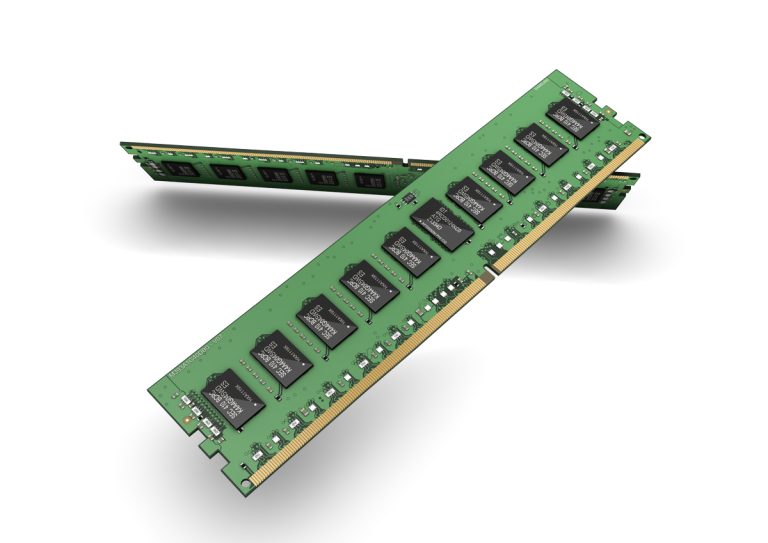
In April 2025, JEDEC officially released the HBM4 (High Bandwidth Memory 4) specification, marking a landmark advancement in memory technology for artificial intelligence and high-performance computing applications. The new standard doubles the interface width from the previous generation's 1,024 bits to 2,048 bits, enabling a single memory stack to deliver up to 2 terabytes per second (TB/s) of bandwidth. This unprecedented data throughput directly addresses the insatiable memory bandwidth demands of next-generation AI accelerators, large language model training clusters, and advanced graphics processing units.
HBM4 Technical Specifications and Market Dynamics
The HBM4 specification introduces several critical improvements beyond the doubled interface width. The standard supports a base die manufactured using advanced logic process nodes rather than the older memory process, allowing greater integration of on-die logic functions and improved signal integrity. Each HBM4 stack supports up to 16 DRAM dies, enabling capacities of up to 48 gigabytes per stack in near-term implementations. The specification also defines tighter timing parameters and enhanced power management features to maintain energy efficiency despite the massive throughput increase. With AI model sizes doubling approximately every six to twelve months, HBM4's bandwidth leap is considered essential infrastructure for the next generation of AI training and inference hardware. Major chip designers including NVIDIA, AMD, and Intel have already announced roadmaps incorporating HBM4 into their upcoming accelerator and data center processor platforms scheduled for 2025 and 2026 launches.
SK Hynix Dominates with 62% Market Share; Competitive Landscape Shifts
Concurrent with the HBM4 specification release, industry data confirmed SK Hynix's commanding position in the HBM market, holding approximately 62% market share by revenue. Micron Technology occupies the second position with roughly 21% share, driven by aggressive capacity expansion and early qualification wins with key hyperscaler customers. Samsung Electronics, despite its overall scale as the world's largest memory manufacturer, trails with approximately 17% share in HBM specifically, partly attributable to yield challenges and qualification delays with leading AI chip customers. The competitive dynamics underscore a broader shift in memory industry strategy: HBM has become a prestige product category where technical leadership and customer qualification timelines carry outsized commercial weight compared to commodity DRAM segments. SK Hynix's early and sustained investment in HBM-specific manufacturing processes, including advanced thermal compression bonding and through-silicon via (TSV) formation techniques, has translated directly into customer loyalty from NVIDIA and other premium AI hardware makers.
Supply Chain Implications for Semiconductor Materials
The transition to HBM4 carries significant implications across the semiconductor materials supply chain. The doubled interface width and advanced base die logic process require substantially more sophisticated materials at multiple process steps:
- Through-silicon via (TSV) formation demands high-purity copper electroplating chemistries and specialized barrier layer precursors to achieve the tighter via dimensions required by HBM4's increased pin density
- The advanced logic base die, manufactured at leading-edge nodes, consumes greater volumes of specialty photoresists, EUV-compatible underlayers, and atomic layer deposition (ALD) precursors
- Thermal interface materials between stacked dies must manage higher heat flux resulting from increased data transfer rates, driving demand for advanced thermal compounds and underfill adhesives
- Hybrid bonding processes, increasingly adopted for die-to-die interconnect in HBM4 stacks, require ultra-high purity surface preparation chemicals and precision dielectric deposition materials
The HBM4 ramp accelerates demand for these specialized materials significantly. Industry analysts project HBM-related materials consumption to grow at a compound annual growth rate exceeding 35% through 2027, far outpacing the broader semiconductor materials market. For companies positioned within the high-purity specialty chemicals and advanced materials supply chain, the HBM4 era represents a substantial and sustained growth opportunity. Full Chain Materials, as a dedicated semiconductor materials distributor and supply chain integrator, is well positioned to support customers navigating the increased material complexity and quality requirements that HBM4 production demands. The company's focus on specialty gases, chemical precursors, and process chemicals aligns directly with the critical material inputs required at each stage of HBM4 stack fabrication, from TSV formation through final packaging and testing.
